
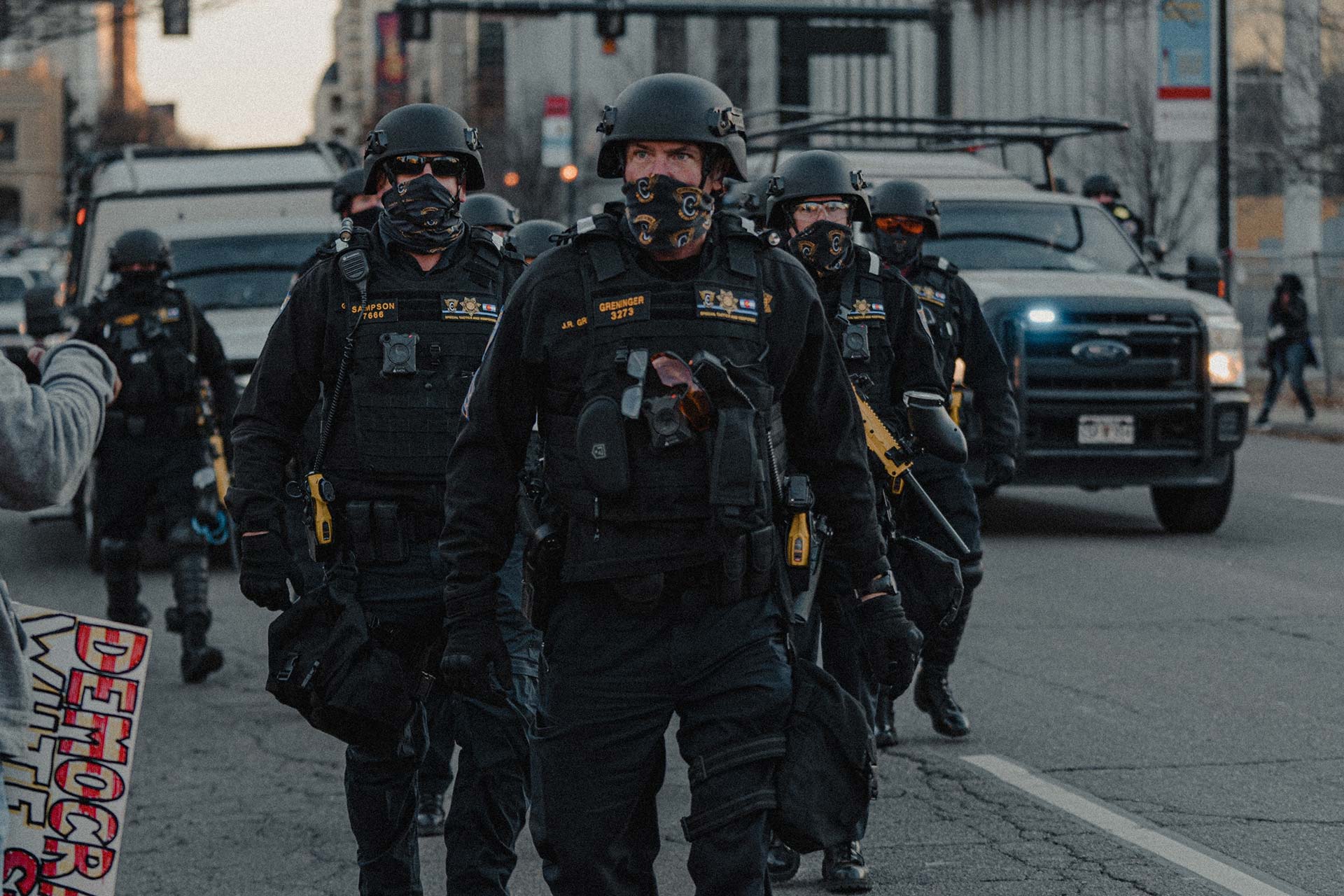
FBI case inspections involve a meticulous process aimed at gathering evidence, analyzing data, and collaborating with various agencies to solve complex crimes. Here's a detailed breakdown of how it typically works:
1). Case Assignment: Each case is assigned to a team of FBI agents with expertise relevant to the nature of the crime. This could include specialists in cybercrime, forensics, organized crime, or terrorism, among others.
2). Initial Assessment: The team conducts an initial assessment to understand the scope of the case, identify potential suspects, and gather any existing evidence or leads.
3). Evidence Collection: Agents utilize a variety of methods to collect evidence, such as surveillance, interviews, search warrants, and forensic analysis. This can involve gathering physical evidence, analyzing digital data, or conducting witness interviews.
4). Analysis: Once evidence is collected, forensic experts and analysts within the FBI examine it thoroughly. This analysis may involve comparing fingerprints, DNA samples, or digital footprints to known databases, as well as reconstructing events or timelines to piece together what happened.
5). Collaboration: The FBI often collaborates with other law enforcement agencies, both domestic and international, as well as with specialists in other fields such as forensic science, psychology, or computer technology. This collaboration allows for a comprehensive approach to solving the case.
6). Legal Process: Throughout the investigation, FBI agents ensure that all procedures adhere to legal standards. This includes obtaining proper warrants for searches or surveillance, following rules of evidence collection, and respecting the rights of suspects and witnesses.
7). Prosecution: If there is sufficient evidence to support charges, the FBI works with prosecutors to build a case for trial. This involves presenting evidence, interviewing witnesses, and preparing legal arguments to secure convictions.
8). Continued Monitoring: Even after a case is closed, the FBI may continue to monitor individuals or organizations involved to prevent future criminal activity. This could involve surveillance, informant networks, or ongoing intelligence gathering.
9). Review and Lessons Learned: After the case is concluded, the FBI conducts a review to assess what went well and identify areas for improvement. This feedback helps refine investigative techniques and training for future cases.
Overall, FBI case inspection is a thorough and systematic process aimed at bringing criminals to justice while upholding the principles of due process and the rule of law.